A Recap of the Silenced Stories of Our Youth Art Exhibit
On Sunday, October 18th, community members gathered in San Jose for “Wards of the State: Who Gets to Be Kids? The Silenced Stories of Our Youth Art Exhibit.” The gathering brought together young people, families, organizers, and community partners to explore the history of youth incarceration, learn about the Ending Girls’ Incarceration (EGI) Campaign, and imagine alternatives rooted in community support.
The exhibit created a space to bring attention to the larger youth carceral system and connect that history to the conditions young people continue to experience in local juvenile halls. It also centered an important part of this work: creating opportunities for young people to lead, share their stories and experiences, and help shape conversations about their futures.
Opening the Space with Intention
The afternoon began with arrivals, a gallery walk-through, and opportunities for community members to explore the exhibit and its activation stations.
Youth MCs Charlie and Leah welcomed everyone and helped guide the program. The gathering opened with grounding and blessings led by Kalpulli Izkalli.These opening moments created an intentional space for people to come together, honor those who came before us, and recognize the community gathered in the room.
Following the opening, representatives from All Youth Are Sacred (AYAS) and the Young Women’s Freedom Center (YWFC) welcomed attendees and introduced the purpose of the exhibit, providing context about California's youth prison system, including the history of the Department of Juvenile Justice (DJJ), and why documenting this history matters.
Connecting History to the Work Happening Today
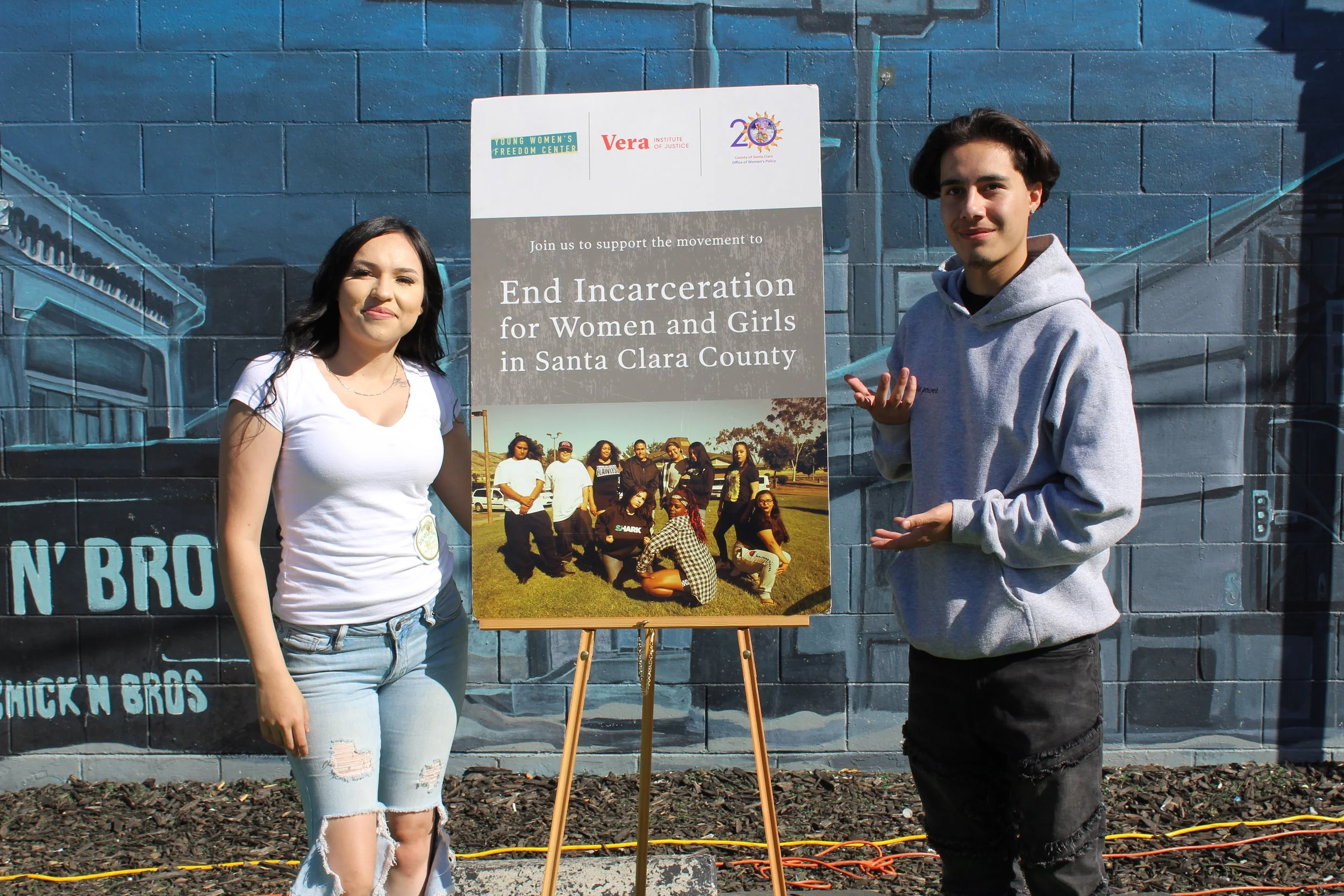
The exhibit invited community members to learn about the history of California's youth prison system and its impact on girls, young women, and gender-expansive youth.
The gathering also highlighted the work happening in Santa Clara County through the Ending Girls’ Incarceration Campaign, connecting the history represented in the exhibit to the ongoing effort to create alternatives to incarceration.
The goal was not only to bring attention to the systems young people have experienced, but also to create space for community members to connect with the work and consider how they can support different approaches to youth justice.
Centering Youth Voices Through the Panel
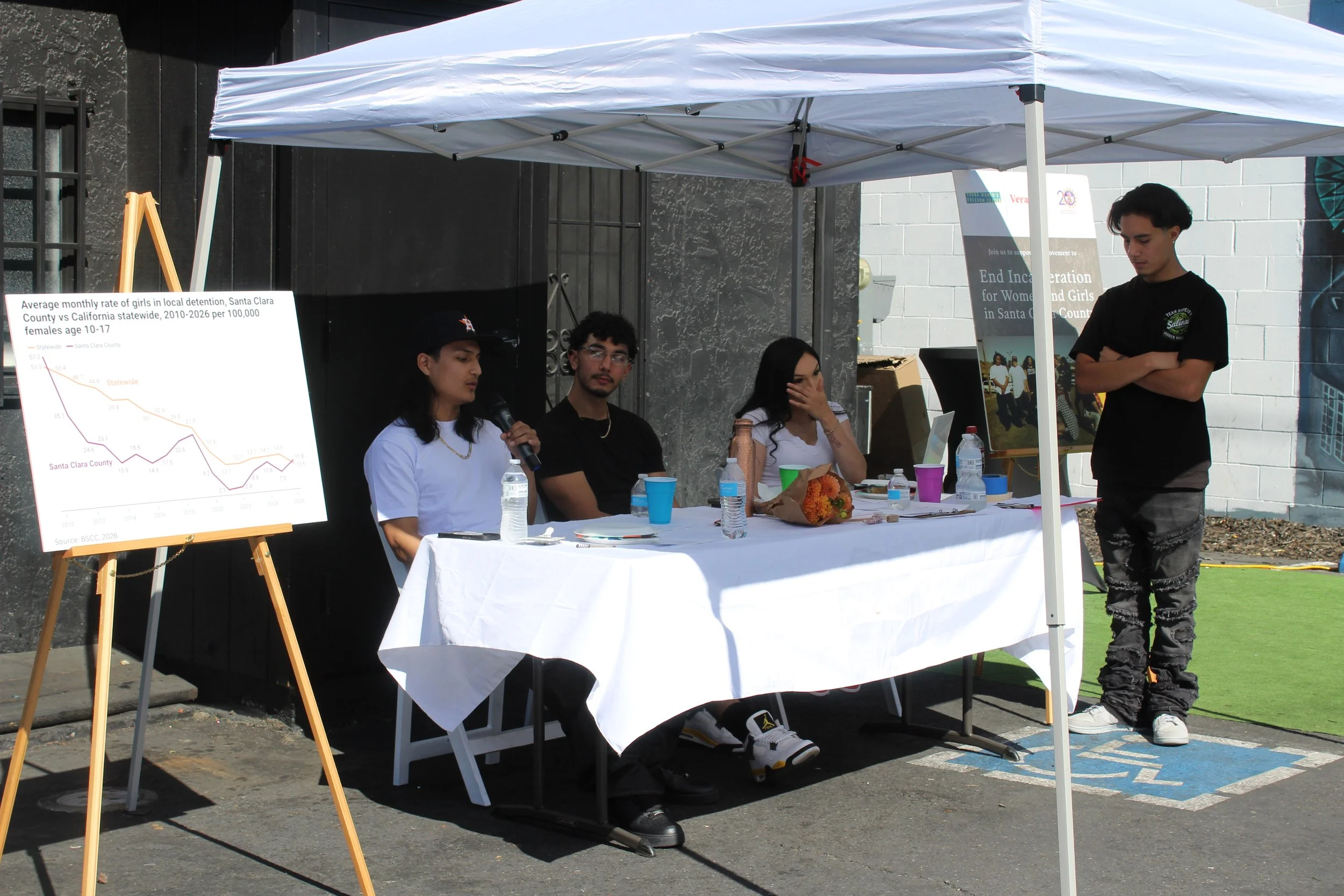
A central part of the afternoon was the youthI panel, moderated by youth MC’s and panelists.
The conversation centered three important questions:
What challenges are young people experiencing in their communities and across generations?
What does it mean to end the incarceration of girls and all young people, and how does incarceration of girls and all young people, and how does incarceration affect their well-being and futures?
If less money went toward incarcerating young people and more went toward investing in them, how could our communities be reimagined?
These questions extended the invitation to look beyond the systems young people are navigating and imagine what becomes possible when communities invest in their futures.
Community members were asked to sign on and encourage Santa Clara County to establish the Ending Girls Incarceration Best Practice Guide into policy. If you would like to sign on and continue bringing EGI to life, complete this form.
Culture, Art, and Community
Throughout the gathering, culture and community were an important part of the space.
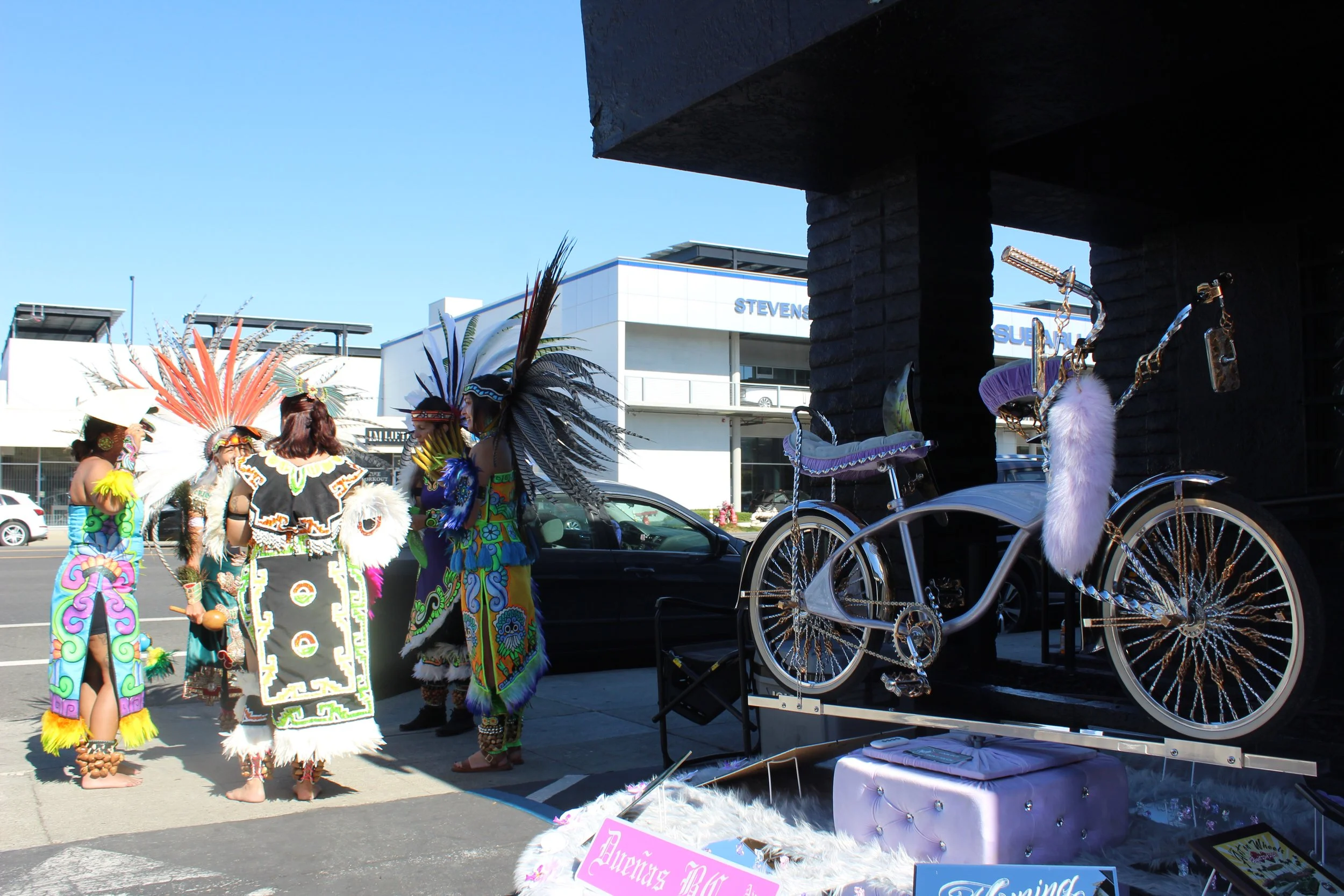
The program included Danza Azteca with Maestro Castro Capulli, and a Tongan dance offered by CAYCJ members. Though for some community members, it was their first time experiencing some of these cultural practices, it is vital that we integrate culture in such a heavy archive..
The space also included altars, interactive stations for people to honor loved onces, artwork, and an interview conducted by the Center on Juvenile and Criminal Justice.. These elements helped create a welcoming environment where people could engage with the exhibit while experiencing art, culture, and community together.
Special Graditude to all community partners and supporters, including the Sister Warriors, California Alliance for Youth and Community Justice, and Dueñas Car Club.
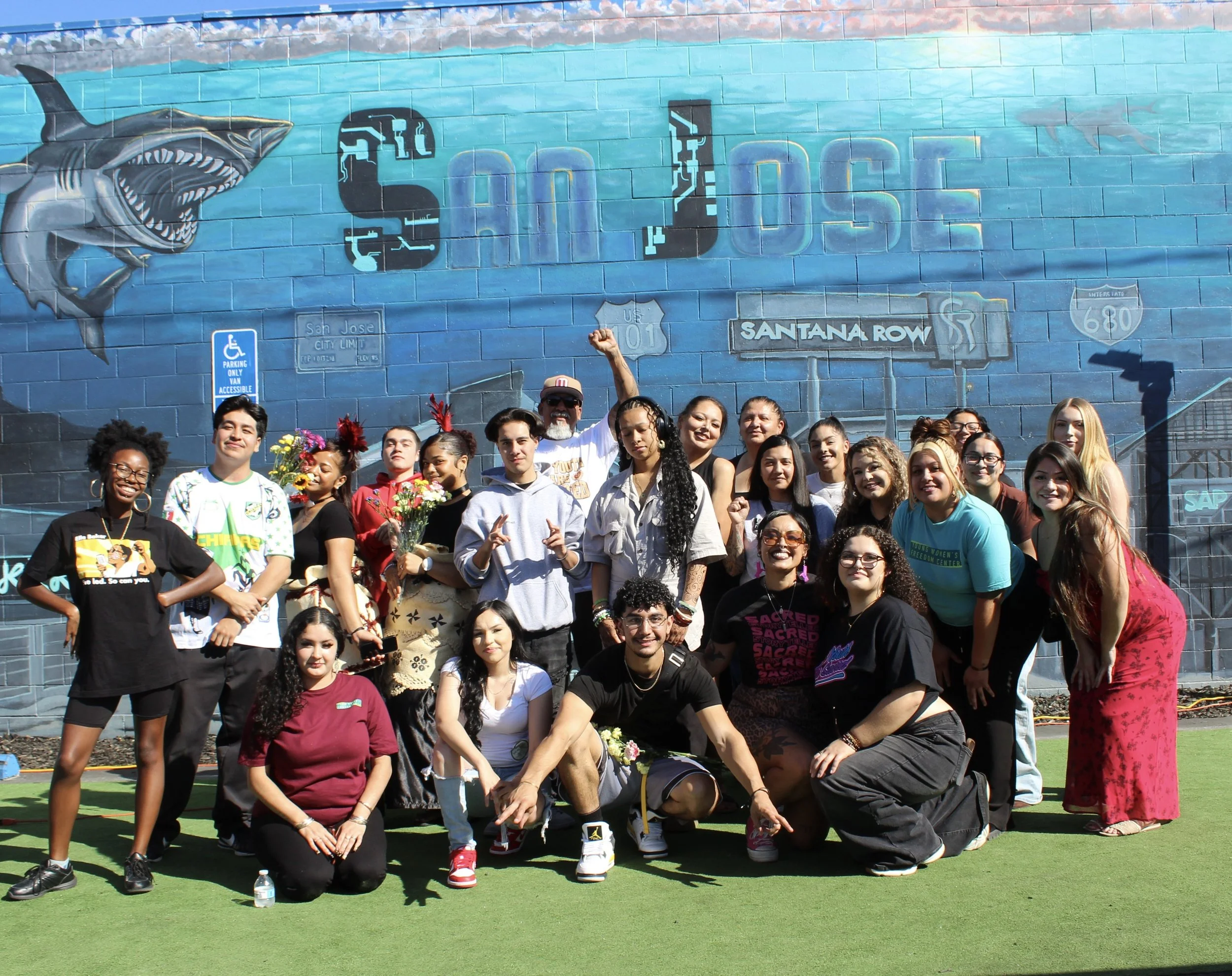
The afternoon continued with closing remarks and gratitude, recognition of local partners, and a group photo.
From History to Community Action
The purpose of the exhibit went beyond sharing the history of youth incarceration. It was also about creating space for community members to connect that history to the work happening today and consider what we can build instead.
The Ending Girls’ Incarceration Campaign reminds us that young people deserve more than systems that confine them. They deserve communities that invest in their healing, opportunities, leadership, and well-being.
Bringing people together through art, storytelling, culture, and conversation is one way to build collective understanding and support for alternatives to incarceration.
The October 18th gathering brought these pieces together while keeping young people at the center—not only in the conversations being held, but in the organizing and leadership that made the space possible.